User-Centered Design
in a Complex
SAP Environment
How we transformed the daily routine of 1,200 field salespeople through strategic UX and ethnographic research, cutting order time by 50% inside one of the most complex SAP environments in Brazilian retail.
Reduction
Cancellations
Training Time
Commercial leadership needed to transform 1,200 field salespeople - spread across Brazil, with heterogeneous profiles and resistance to the previous system. The timeline was tight. The tolerance for errors, zero.
Highly complex SAP environment - SD, FI, CRM, SMP, BW, ABAP and PI integrated - without compromising the mobile experience
Active resistance from salespeople - dissatisfaction with the previous tool created an adoption barrier even before launch
Wide geographic distribution - in-person training was unfeasible for 1,200+ people spread across the country
Field routine with zero margin for error - every lost or cancelled order was revenue left on the table in an aggressive market
“It was unavoidable to build a foundation to sustain growth. The project would become the priority of the year.”Claudia Pessoa · Director of Technology, Brasil Kirin
Legacy system · ColetorP
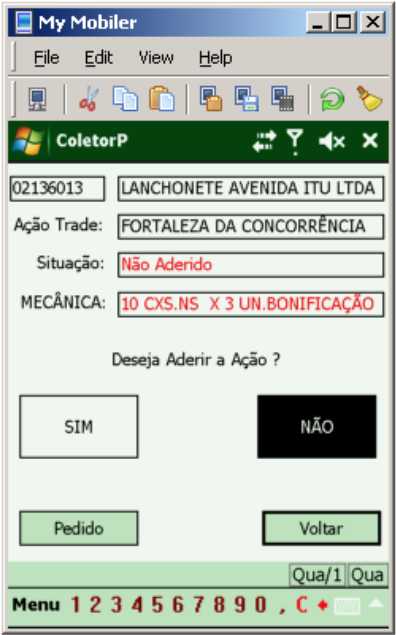
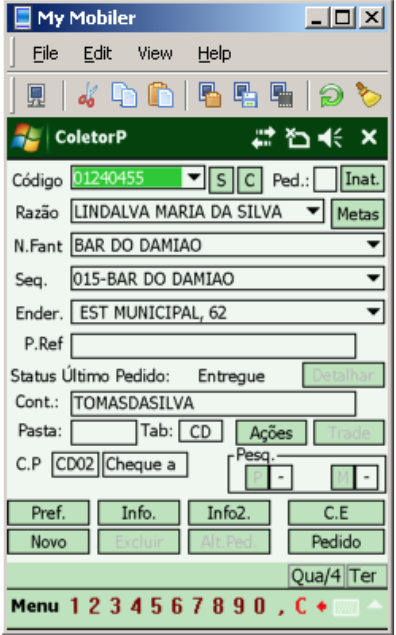
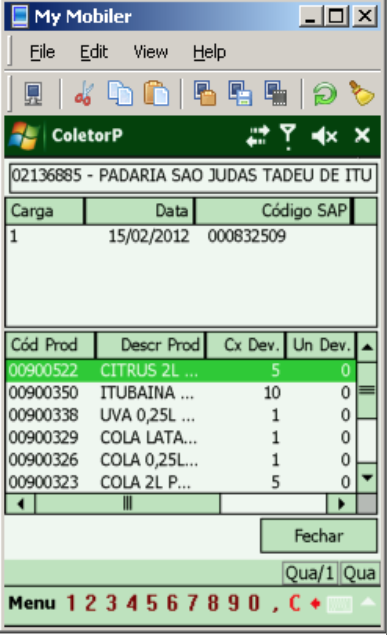
ColetorP ran on Windows Mobile with a desktop-oriented interface. Forms with 30+ fields, numeric key navigation, no product images. Each order took an average of 10 minutes.
Lead UX strategy in a complex SAP technology environment
Conduct ethnographic research - accompanying salespeople in the field in São Paulo to observe real routines
Create personas based on real field data and map current journeys with prioritized friction points
Prototype and iteratively test 150+ screens with real users before any implementation
Ensure that SAP technical complexity did not compromise the salespeople's experience
Facilitate workshops with commercial leadership and the SAP architecture team
Field Ethnographic Research
Weeks 1-3 · São PauloDirect observation of salespeople throughout their full workday: morning briefing with daily targets, travel between points of sale, negotiation and order registration on-site. Zero assumptions - observation only. What we discovered contradicted several internal hypotheses held by leadership.
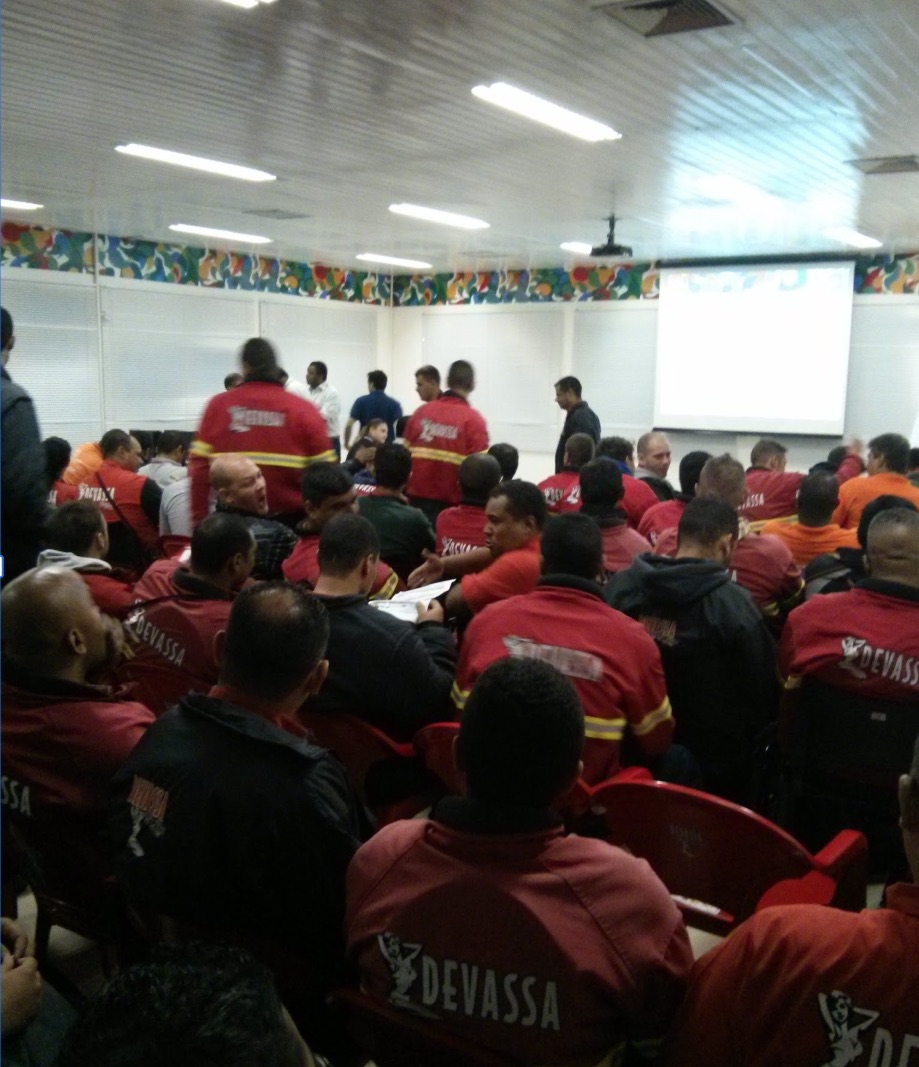
Morning briefing · daily targets
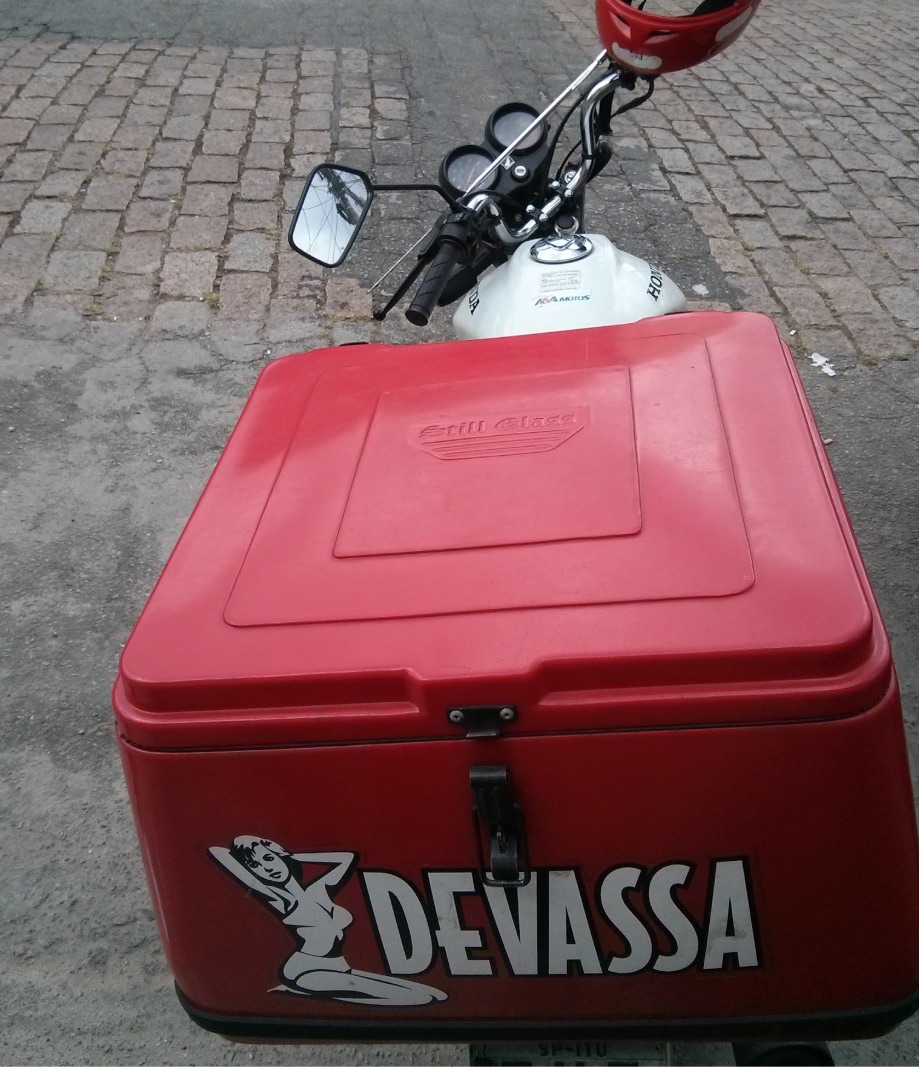
Travel between POS
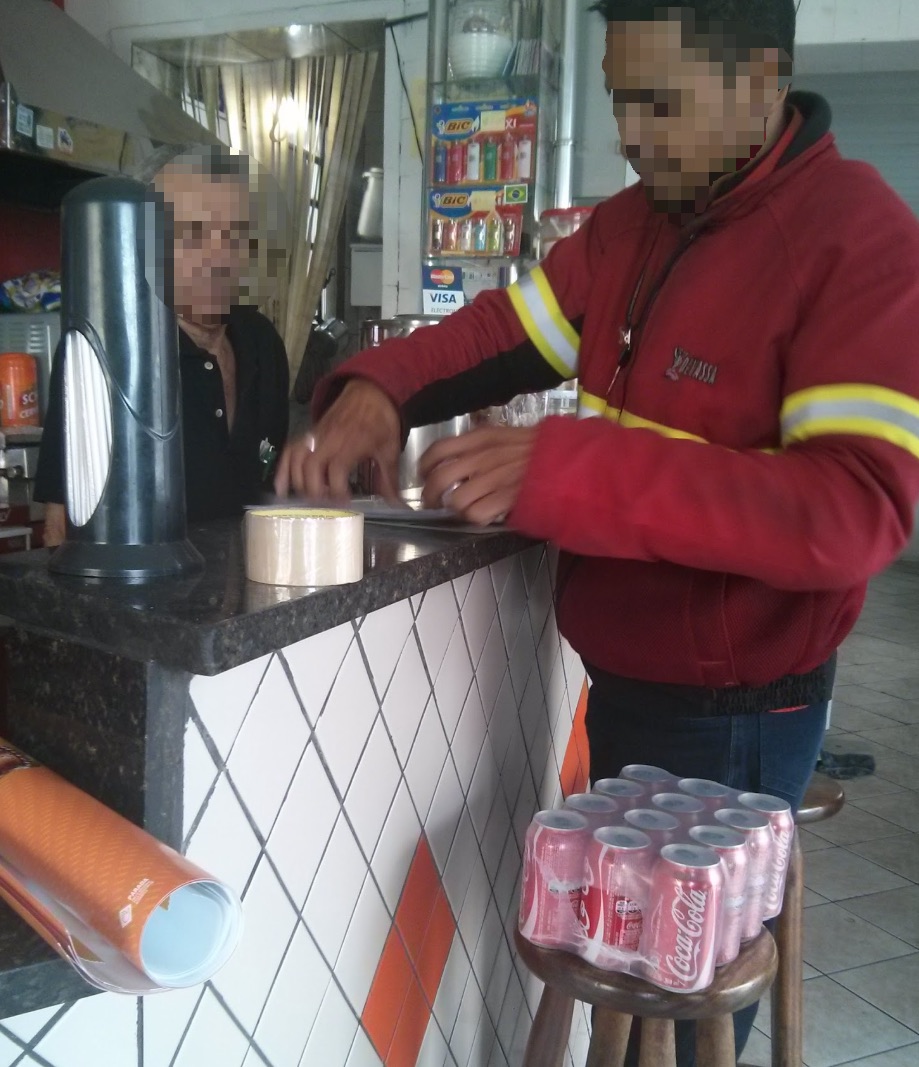
On-site POS service
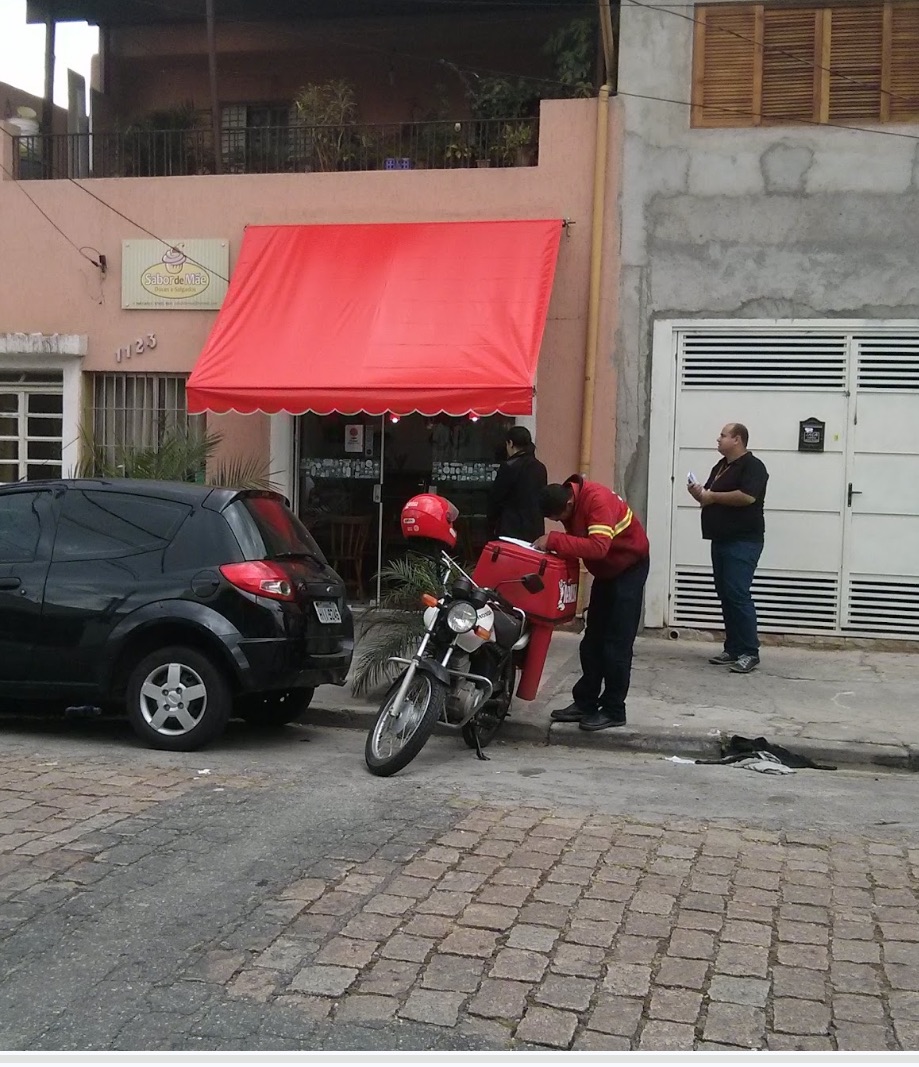
Order recording at POS
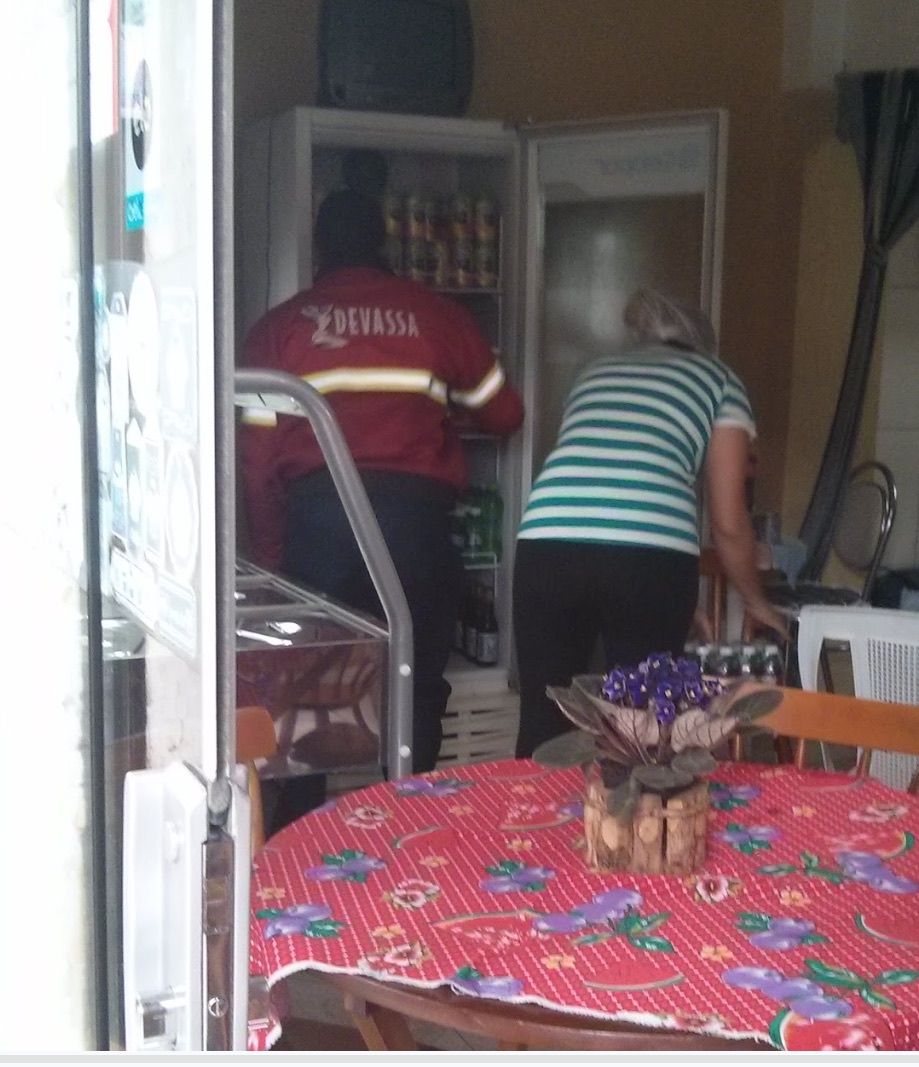
Delivery and verification at the establishment
Synthesis & Persona Definition
Weeks 4-5Converting field data into actionable personas and a current-state journey map with prioritized friction points. Alignment workshops with commercial leadership and the SAP team to ensure technical trade-offs were decided with the user at the center - not by architecture.
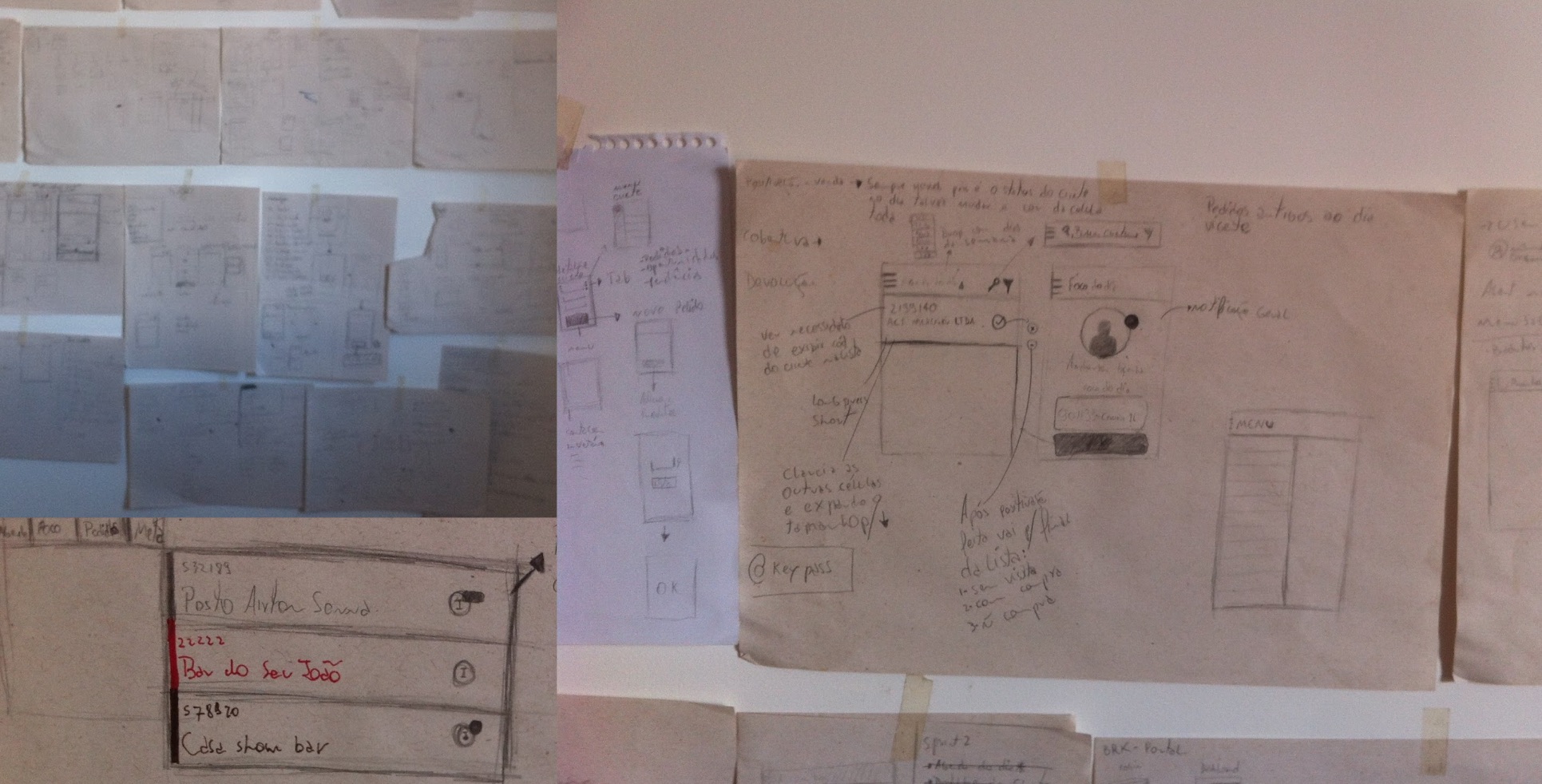
Collaborative sketches - ideation on paper before any pixel
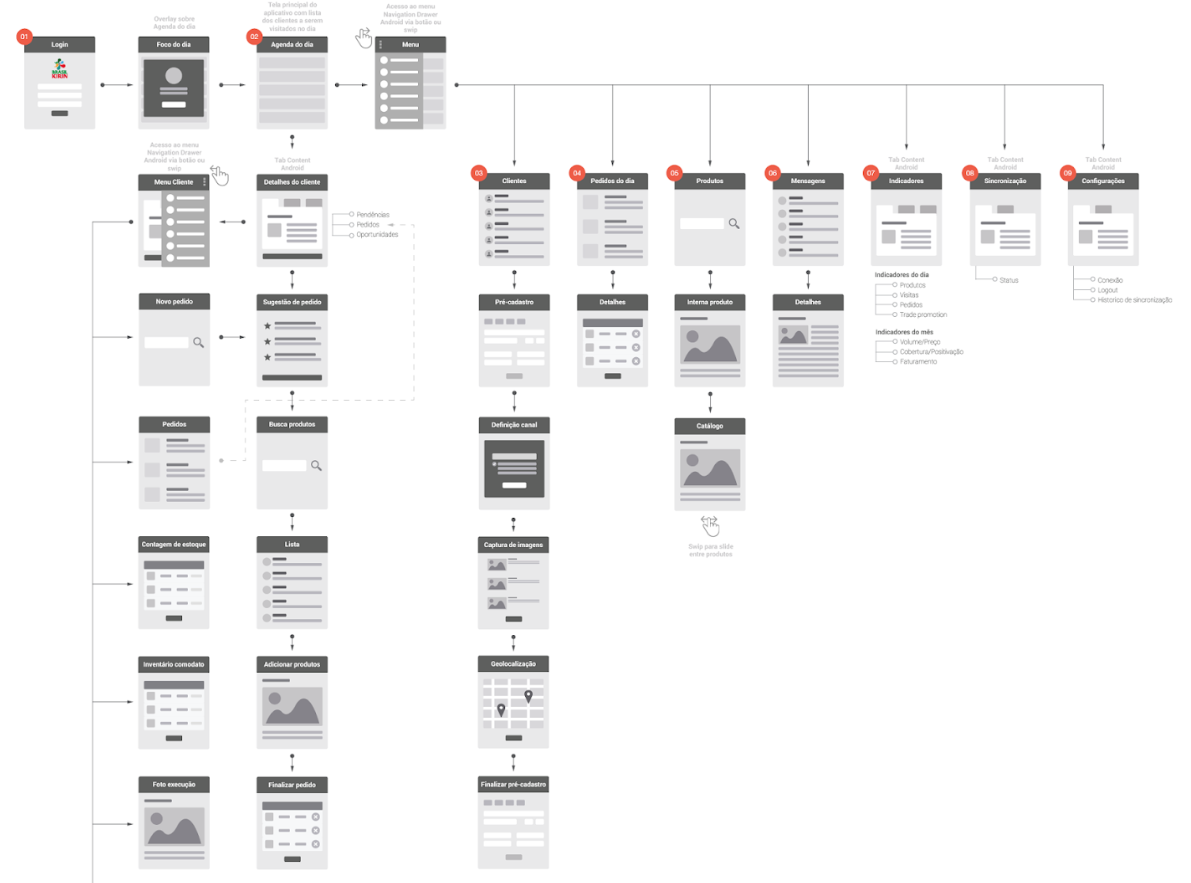
Information architecture - 30+ screens mapped before prototyping
Prototyping & Iterative Testing
Weeks 6-14 · 150+ screens150+ screens prototyped in rapid design-test-refine cycles. Every flow - product suggestions, search, add to cart, order closing - tested with real salespeople before a single line of code. Natural gestures (tap, swipe) replaced hierarchical multi-level navigation menus.
New system · order flow
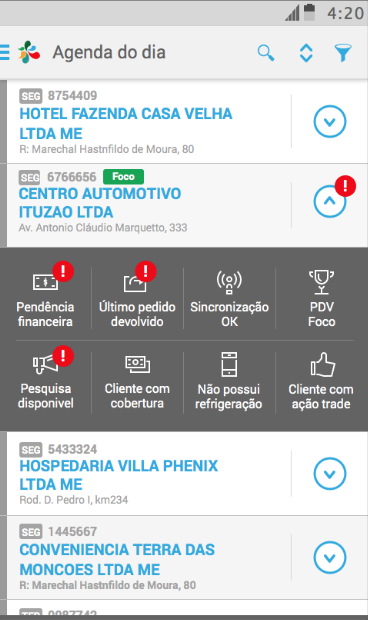
Daily agenda
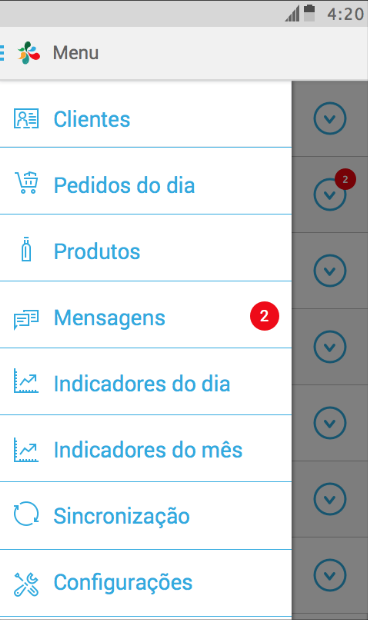
Main menu
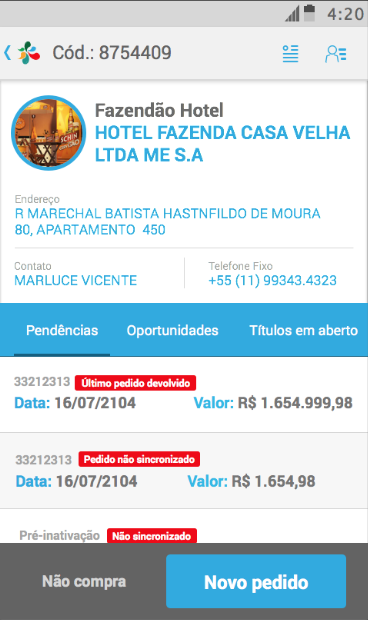
Client details
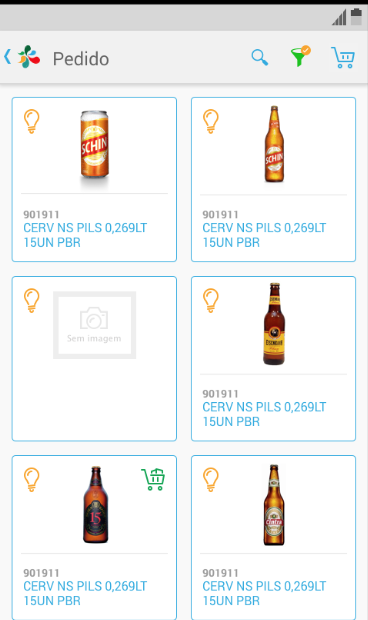
Product catalog
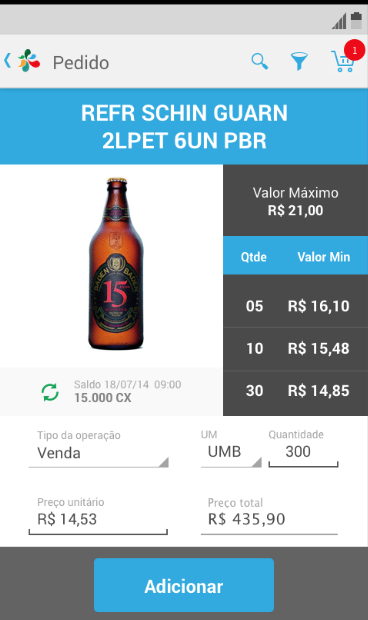
Product detail
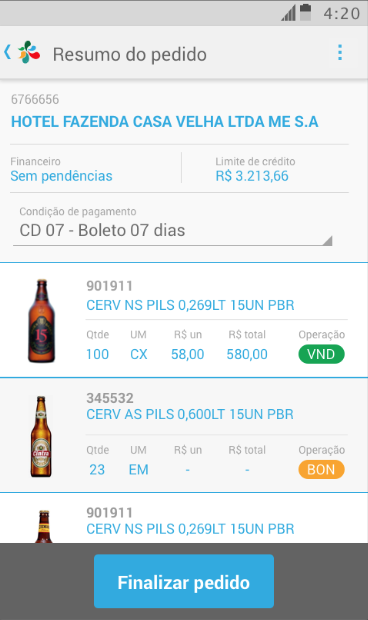
Order summary
Rollout & Adoption
Months 4-6 · NationwideNationwide rollout to 1,200 salespeople with minimal learning curve - design so intuitive that formal training dropped 40%. Real-time adoption metrics tracking and support during the critical post-launch phase.
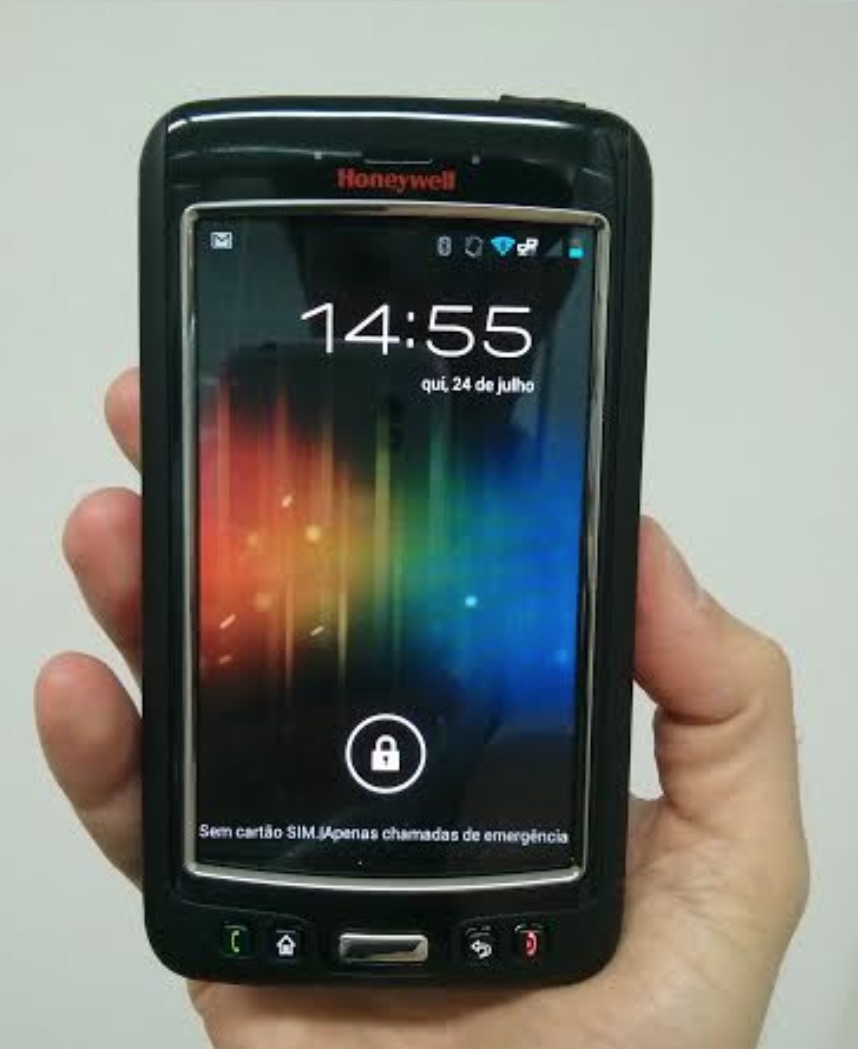
New device · Honeywell Android
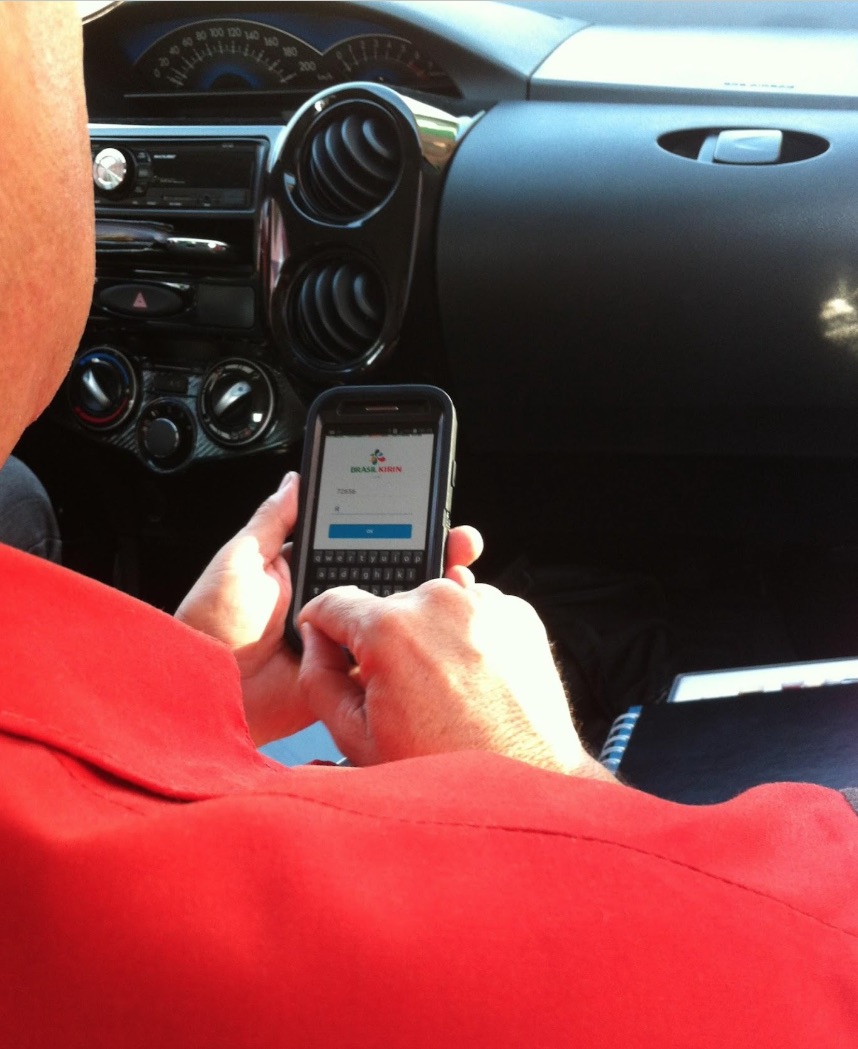
First use - in the car, before the route
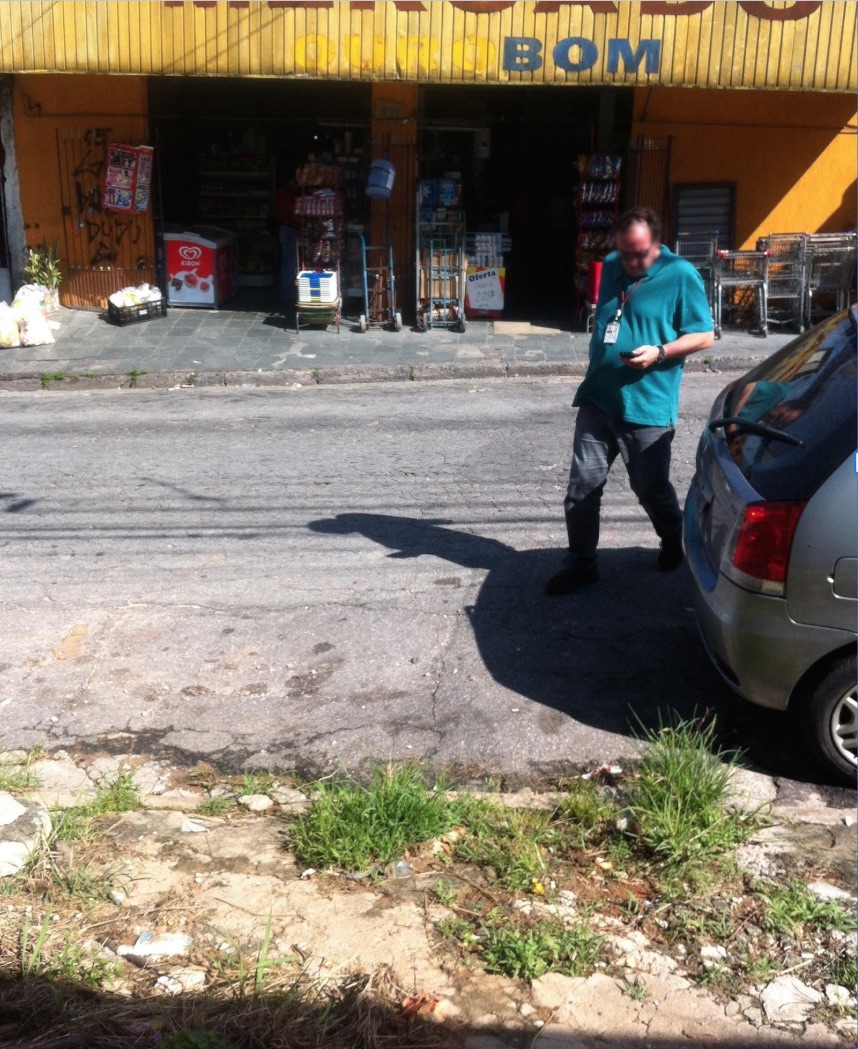
First client service at POS
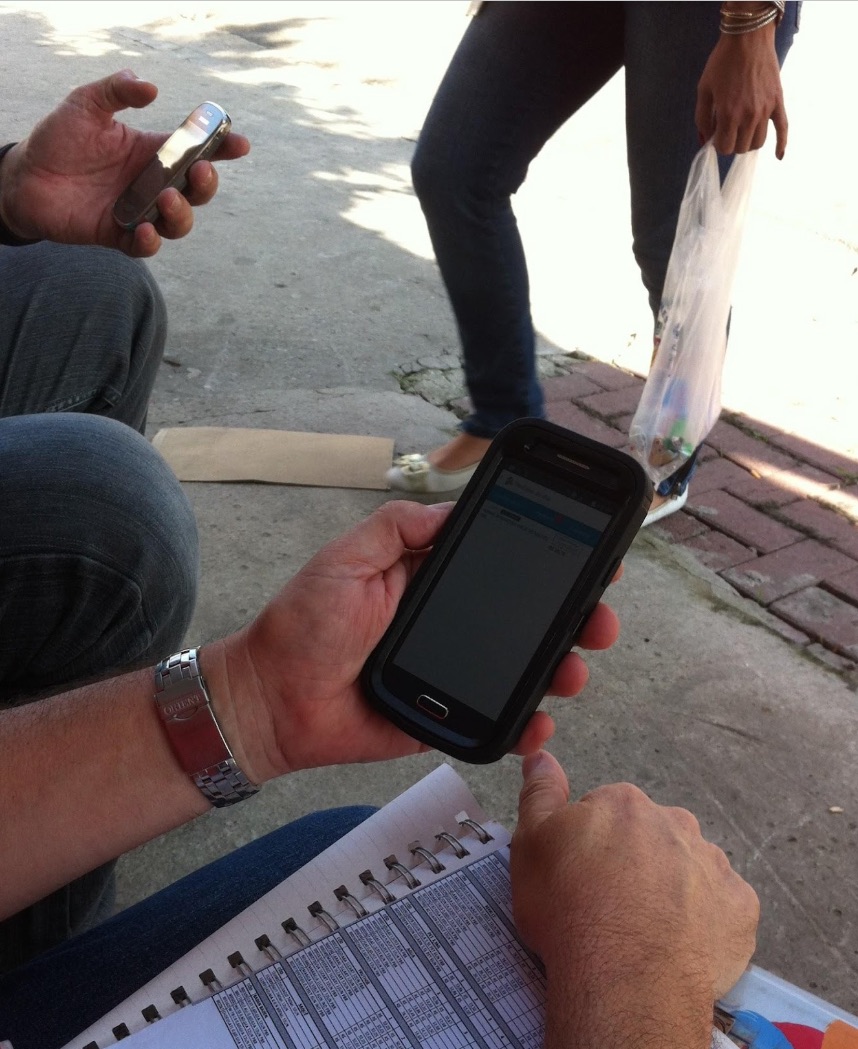
First order closed in the field
Operational impact
Orders stopped piling up at end of day - 4h reduction in receipt processing time
Salespeople gained real-time inventory visibility during negotiations at the point of sale
Previously invisible commercial data became accessible to leadership in real time
High spontaneous adoption - intuitive interface eliminated resistance from the sales force
“The UX focus enabled rapid adoption and very little rework. The solution stayed aligned with client expectations.”Claudia Pessoa · Director of Technology, Brasil Kirin
Success Case · SAP Forum Brasil
SAP"Success Case - Brasil Kirin: Innovating the way of selling with SAP Mobility technologies." Presented at the largest SAP event in Latin America as a reference in enterprise digital transformation.
IT Executive of the Year · IT Mídia
IndustryClaudia Pessoa (CIO) awarded as IT Executive of 2016 in the Food, Beverage and Tobacco Industry category - largely due to the impact of the Mobile Sales Force project.
What worked
Real ethnographic research - going to the field before any wireframe
Testing with real users at every stage, not just at the end
Treating SAP technical constraints as creative constraints, not blockers
Natural gestures instead of hierarchical menus - tap and swipe as primary verbs
High-fidelity prototypes before implementation drastically reduced rework
What I'd do differently
Involve sales representative users from the scope definition phase, before research
Better document design system patterns for reuse in other SAP modules
Define adoption metrics before launch, not after
More robust internal communication plan to prepare the sales force before rollout
The technology didn't change.
The way to use it did.
Brasil Kirin already had SAP. Already had experienced salespeople. What was missing was an interface that respected the reality of the field - the time pressure, network instability, the need to decide quickly while standing in front of a customer.
Good UX doesn't simplify for simplification's sake. It understands the real context of use and designs for it. That's what we did - and the results recognized at SAP Forum 2016 prove it works.
Next step
Want to transform experience
in complex technical environments?
User-centered design that balances technical complexity with real adoption. Let's talk.